
Could Hidden Storm Damage Be Putting Your Roof at Risk? Roof Repair in Cumming, GA
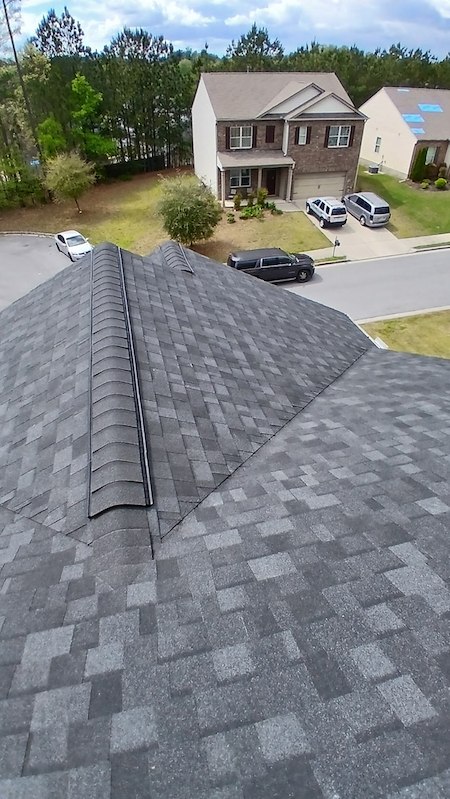
North Georgia storms can be sneaky. One afternoon it is calm over Lake Lanier, then a fast-moving cell drops hail, high winds, and sheets of rain across Cumming. The next morning the roof looks fine from the driveway, but small cracks, bruised shingles, and loose flashing may already be letting water in. If you suspect trouble, schedule roof repair in Cumming right away to keep minor issues from turning into interior leaks and mold.
At Southern Elite Roofing, we help homeowners across Forsyth County protect their attics, ceilings, and walls after hail and wind events. This guide explains what storms really do to a roof, how to spot warning signs, and when to call a trusted roofing company for a thorough storm inspection and timely repairs.
What Cumming Weather Really Does To Your Roof
Our area sees quick-hitting thunderstorms in spring and summer, plus strong gusts during fall fronts and the occasional tropical remnant. Each type of weather leaves different fingerprints on your shingles and roof components.
Hail: Small Bruises, Big Problems
Hailstones can crush the shingle’s protective granules, exposing asphalt to UV. You may notice dark, round spots or extra granules piling up in your gutters after a storm. Over time, that speeds up aging and leads to brittle, leaky shingles.
Wind: Lifting, Creasing, And Missing Shingles
Gusts that race off Sawnee Mountain or sweep across open areas like Bald Ridge can lift shingle edges, break the seal, or crease tabs. Even if they lay back down, the bond is often gone. The next storm can rip them free and open a pathway for water.
Wind-Driven Rain: Hidden Intrusions
Rain that blows sideways can work under ridge caps, through tiny flashing gaps around chimneys and vents, or beneath lifted shingles. Moisture may track along rafters and show up far from the entry point as a ceiling stain weeks later.
Local insight: After pop-up summer storms in Cumming, check the bottom of downspouts and gutter corners for piles of black granules. It is a common early sign of hail wear. Do not climb on the roof after a storm. Wet shingles and steep pitches are slippery and unsafe.
Subtle Signs Of Hidden Storm Damage
You do not need to go on the roof to notice clues that point to storm issues. Keep an eye out for these common indicators around Cumming neighborhoods like Vickery and Windermere:
- Shingle edges that look curled, lifted, or kinked when viewed from the ground
- Shingle color “polka dots” where hail knocked off granules
- Fine shingle grit collecting in gutters or at the base of downspouts
- Water stains on bathroom ceilings or around light fixtures after heavy wind-driven rain
- Drip sounds in soffits, a musty smell in the attic, or damp insulation
If you see any of these, a professional roof storm inspection can confirm damage and map a repair plan that targets the real source instead of chasing ceiling spots.
Why Quick Roof Repair Protects Your Home
Small shingle openings let water travel along nails and decking where you cannot see it. That slow leak can stain drywall and swell trim. Acting early does more than stop drips. It protects the whole system.
- Prevent bigger leaks: Re-sealing lifted shingles and replacing bruised tabs keeps the next storm from tearing open larger areas.
- Protect attic air quality: Dry wood and insulation help prevent musty odors and potential mold growth.
- Preserve curb appeal: Spot repairs now keep broad, mismatched patches from being needed later.
- Support manufacturer coverage: Addressing wind or hail impact quickly helps maintain material performance over time.
When repairs are needed, our team can coordinate timing around local weather patterns so your roof is secured before the next round of storms.
How A Professional Roof Storm Inspection Works In Cumming, GA
A proven inspection process gives you clarity, not guesswork. Here is what to expect when you schedule an appointment with a local roofing company like Southern Elite Roofing:
Attic And Exterior Checks
We start with attic ventilation and deck moisture readings, then move to the roof surface. The technician looks for hail bruising, wind creases, lifted shingles, flashing gaps, and sealant failures around vents and skylights.
Documentation You Can Use
Clear photos and notes show where damage exists and how it affects the roof’s ability to shed water. If you plan to speak with your insurer, organized documentation can help you explain what happened and why repairs are necessary.
Targeted Repair Plan
Based on what we find, you will get a plan focused on long-term weather defense. That may include sealing lifted tabs, replacing creased shingles, reworking flashing, or reinforcing ridge and hip areas that take the brunt of wind near open lots and lakefront exposures. To see how we approach storm-related fixes, review our roof storm repair process and what it includes.
Common Myths About Storm Damage Roofing
“No Leak Means No Damage”
Not true. Wind can break a shingle seal without creating an immediate leak. The roof may look fine for weeks, then fail during the next strong gust. Catching detached seals early is a small repair compared to tracking down hidden leaks later.
“I Can Tell From The Ground If It’s Fine”
Some issues are visible from the curb, but many are not. Hail bruises and flashing pinholes are easy to miss without a close look and a moisture check in the attic. A trained inspection is the safest way to know the roof is ready for the next storm.
“All Storm Damage Requires A Full Replacement”
Plenty of storm issues can be corrected with strategic repairs. A careful assessment helps you avoid unnecessary work while restoring watertight protection.
Emergency Situations After Severe Weather
When a limb punctures the roof or shingles tear off in strips, quick action reduces interior damage. Emergency roof repair may include temporary coverings, sealing exposed fasteners, and securing loose ridge caps until permanent repairs are completed. If you are dealing with active water entry, call 678-335-5800 for urgent help so your home is protected as the weather clears.
Local Context That Matters In Forsyth County
Cumming neighborhoods vary. Homes near open water and hills see stronger gusts that can break shingle seals, while tree-lined streets may face limb impacts and clogged gutters. Seasonal storm patterns also shift. Spring fronts can bring hail, and late-summer heat often fuels evening thunderstorms that dump heavy rain in short bursts. Planning inspections around those cycles helps you stay a step ahead.
If you are comparing options, explore our broader roofing services to understand how repairs connect with ventilation, flashing, and other system parts that affect shingle life across our climate.
When To Call A Roofing Company In Cumming, GA
You do not need a major storm to justify a checkup. Call when:
• You notice missing shingles after a windy night near Vickery Village or along open ridgelines.
• You find new ceiling spots following a sideways rain event.
• Your gutters suddenly collect more grit than usual after a hail shower.
Still unsure? Visit Southern Elite Roofing online to learn more about roof repair in Cumming, GA and how the right approach protects your home season after season.
Your Next Step To A Weather-Ready Roof
If a storm just rolled through or you have noticed warning signs, schedule a professional evaluation now so small problems do not grow. Our team will document findings and complete the right repairs for lasting performance. To get started, book a convenient appointment for storm-focused roof repair or call 678-335-5800 to speak with a friendly specialist today.